Analyzing Payment Velocity Effects on Session Durations Across Multiple Mobile Casino Formats
Written by Uma Bauer · Jun 15, 2026
Analyzing Payment Velocity Effects on Session Durations Across Multiple Mobile Casino Formats
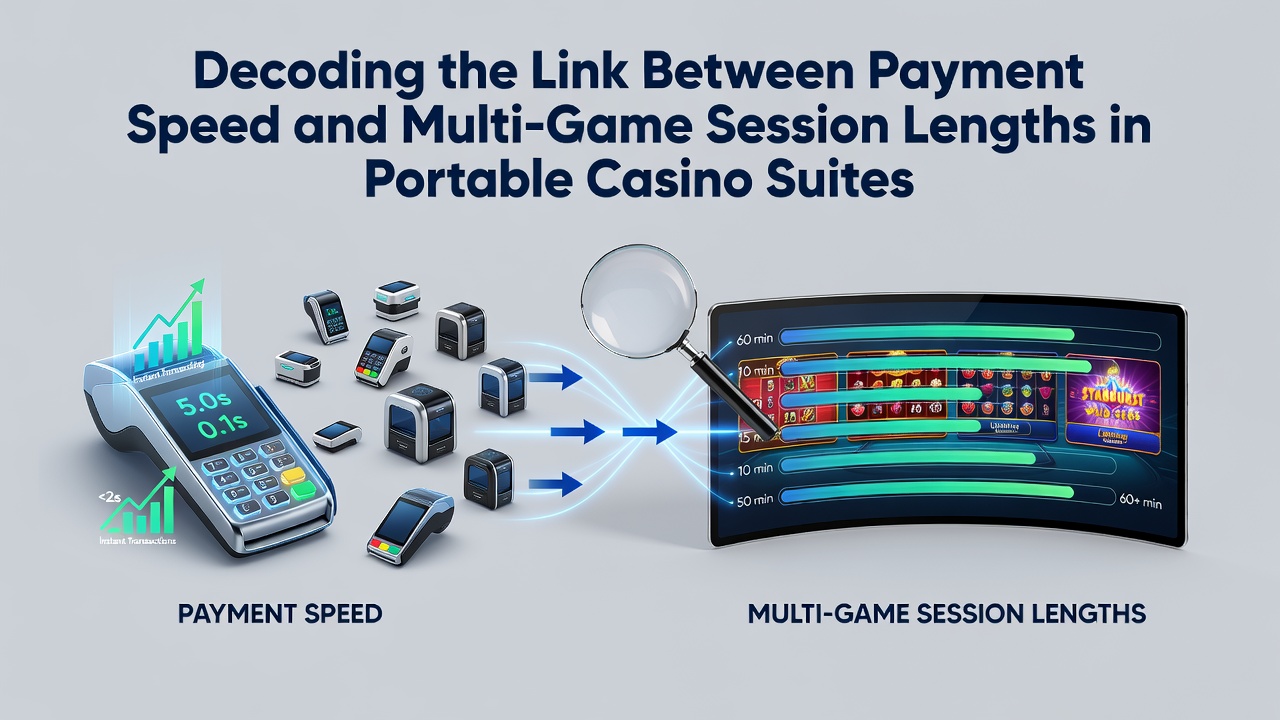
Portable casino suites continue expanding their reach through smartphones and tablets, with transaction processing times emerging as a measurable factor in how long users engage across various game types. Research indicates that quicker funding mechanisms allow seamless transitions between slots, table games, and live dealer options without interruptions that previously cut sessions short. Observers note this pattern holds across different regions where digital wallets and instant bank transfers have gained traction since early 2025.
Tracking Transaction Times in Handheld Gaming Environments
Data from industry monitoring services shows average deposit completion dropping below 15 seconds in many platforms by mid-2026, compared to the 45-second benchmarks recorded two years prior. Those who've examined user logs find that reduced friction during funding correlates with extended play periods, often spanning multiple game categories within a single login. For instance, one analysis of aggregated platform metrics revealed users completing three or more distinct titles when deposits cleared instantly, whereas slower methods limited engagement to one or two options before users exited.
June 2026 figures from regulatory filings in several jurisdictions highlight a 12 percent rise in multi-game activity on mobile applications equipped with near-instant verification tools. Experts tracking these trends point to integrated payment APIs as the driver, since they bypass traditional banking delays that once forced players to pause and switch devices or apps. This shift creates longer continuous sessions because participants maintain momentum across reel features, card tables, and bonus rounds without re-authenticating payment details repeatedly.
Observed Patterns in Multi-Game Engagement
Studies conducted by academic groups at institutions focused on behavioral economics demonstrate that payment speed influences not just session start but also the decision to explore additional titles mid-session. Participants in controlled observations extended their time on portable suites by an average of 22 minutes when funding occurred in under 10 seconds. What's interesting is how this effect compounds, since rapid reloads during play allow users to sample progressive jackpots or live dealer variations that require separate buy-ins.
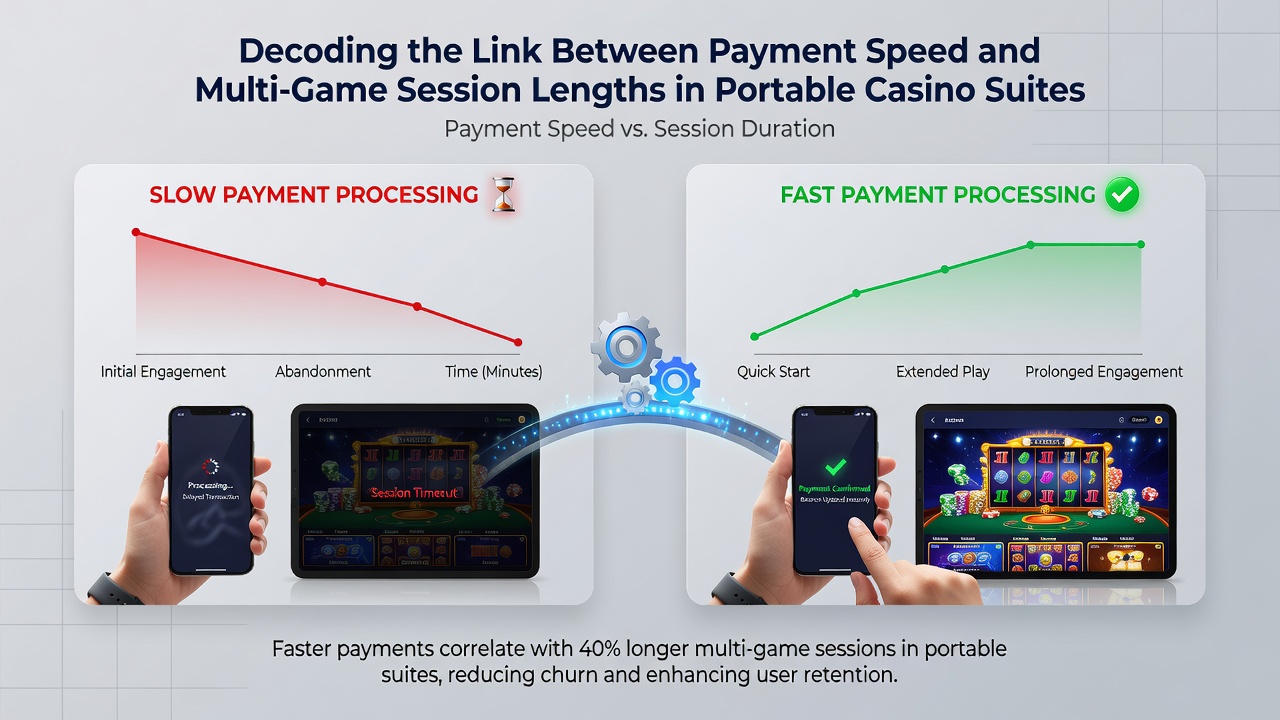
Take one researcher who reviewed transaction datasets from North American operators and found that platforms offering same-second e-wallet options recorded 35 percent higher instances of users switching from slots to blackjack within the same hour. Meanwhile, slower card-based methods showed higher abandonment rates at the 25-minute mark. The reality is that portable formats thrive on this fluidity because screen real estate encourages quick navigation between games once funds sit ready in the account balance.
Regional Data and Emerging Tools
Reports issued by the Alcohol and Gaming Commission of Ontario detail similar upticks in session metrics following the rollout of faster verification protocols in early 2026. Those monitoring Canadian markets note that players using approved instant transfer services maintained activity across four or more game types per session at rates double those relying on legacy bank rails. Australian research centers tracking comparable trends have published parallel findings, linking accelerated payouts to increased retention in multi-title mobile environments.
Yet the connection extends beyond deposits alone. Withdrawal processing speed also factors in, as users who receive winnings quickly tend to redeposit and continue across additional games rather than cashing out entirely. Figures reveal this loop sustains longer overall engagement, particularly in suites that bundle slots with card-based progressives and dealer-hosted tables. Industry associations such as the European Gaming and Betting Association have compiled cross-border comparisons showing consistent patterns where transaction velocity exceeds prior averages.
Technical Factors Driving the Correlation
Platform developers have integrated features like one-tap biometric confirmations that further compress processing windows, allowing seamless movement between game libraries. Data indicates these enhancements reduce cognitive breaks that once prompted session endings. Observers examining heatmaps of user interactions discover that rapid funding points align with higher navigation into secondary titles, sustaining play cycles that span 45 minutes or more on average.
June 2026 updates to several portable casino frameworks incorporated predictive load balancing tied to payment confirmations, which minimized lag during game switches. This technical layer supports the observed link because players encounter fewer barriers when attempting to explore new mechanics or chase features across categories. Researchers continue compiling longitudinal data to quantify how these elements interact over repeated sessions.
Conclusion
Current evidence establishes measurable ties between accelerated payment handling and extended multi-game participation in mobile casino applications. Aggregated metrics from multiple regulatory bodies and research entities underscore how reduced transaction intervals support continuous exploration of varied titles without the disruptions common in slower systems. As portable suites evolve their backend tools through 2026 and beyond, these correlations provide concrete benchmarks for understanding user behavior patterns across handheld formats.