Funding Pathways Shape Game Selection Patterns Across Digital Entertainment Platforms
Written by Uma Bauer · Jul 13, 2026
Funding Pathways Shape Game Selection Patterns Across Digital Entertainment Platforms
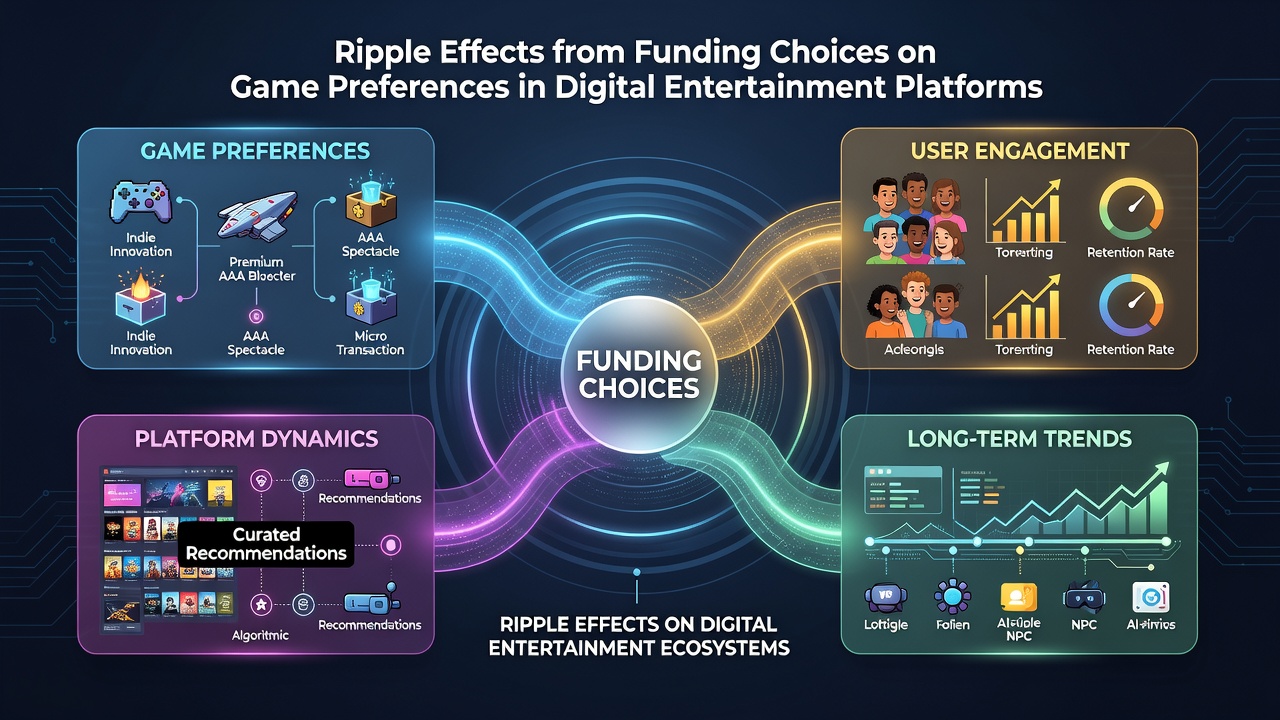
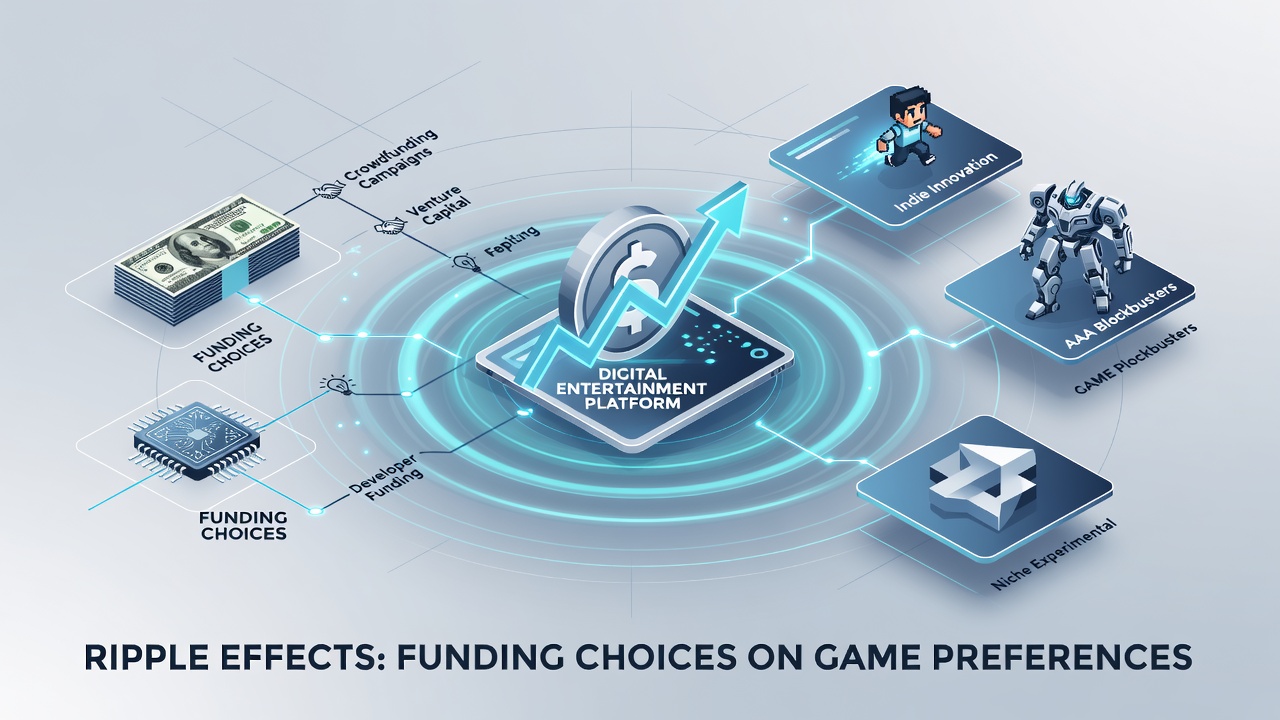
Payment method availability and transaction speed create measurable shifts in how users approach game libraries on major platforms, and researchers tracking these patterns note consistent correlations between funding tools and content preferences. Data collected through 2025 into mid-2026 shows that platforms offering instant deposit options see higher engagement with premium titles, whereas slower verification processes steer players toward free-to-play models with gradual unlock systems.
Transaction Speed and Content Discovery Trends
Studies from university research groups indicate that users who complete funding within seconds tend to explore high-budget releases first, while those encountering delays often default to established free content before committing further resources. The European Commission’s digital single market reports from early 2026 documented similar behavior across mobile and console ecosystems, where payment friction reduced immediate purchases of new intellectual properties by measurable percentages.
Platforms that integrate multiple regional banking partners report broader experimentation with niche genres because users face fewer barriers when switching currencies or account types. Observers note that this flexibility encourages repeated small transactions rather than single large commitments, which in turn influences algorithmic recommendations toward shorter session games over extended narrative experiences.
Subscription Models Versus One-Time Funding Routes
Subscription services maintain steady libraries that reward consistent monthly outlays, and data indicates subscribers sample more experimental titles than users who purchase individual games outright. The Entertainment Software Association’s annual surveys reveal that subscription households allocate higher percentages of their entertainment budgets to indie and mid-tier releases compared with direct-purchase households.
Yet users who rely on prepaid cards or gift balances often gravitate toward established franchises because those titles carry predictable value and lower perceived risk. Figures from Australian regulatory filings show that prepaid funding correlates with longer retention on live-service games that offer frequent small rewards rather than one-time story campaigns.
Regional Variations in July 2026 Data
July 2026 platform analytics released by North American and Asian operators highlight distinct regional signatures. North American accounts using credit-linked instant funding showed elevated activity in competitive multiplayer genres, whereas accounts funded through regional digital wallets demonstrated stronger interest in single-player adventure content. These patterns align with earlier findings from Canadian provincial gaming authorities that tied payment velocity to session length and genre retention.
Cross-border users who navigate currency conversion fees tend to consolidate spending into fewer but larger transactions, which steers them toward games with substantial downloadable content packs rather than ongoing battle-pass structures. Research institutions tracking these behaviors emphasize that the effect appears most pronounced among users aged 25 to 34 who maintain multiple platform accounts.
Algorithmic Feedback Loops
Recommendation engines respond directly to observed spending velocity, and platforms adjust visibility of certain titles based on which funding methods dominate recent sessions. When instant-payment users cluster around live-service releases, those titles receive additional promotional weight, creating self-reinforcing cycles documented in academic papers on platform economics.
Conversely, slower funding cohorts generate data that elevates evergreen free-to-play entries, since those users demonstrate steadier long-term engagement metrics. Industry reports compiled by trade associations across multiple continents confirm that these loops stabilize within weeks of any major payment feature rollout.
Conclusion
Payment infrastructure decisions made by platform operators continue to reshape visible game libraries and user pathways through them, with July 2026 metrics underscoring the persistence of these dynamics. As funding options diversify further, researchers anticipate continued differentiation in preference distributions across demographic and regional segments, driven primarily by transaction characteristics rather than content quality alone.