Global Slot Market Accelerates in 2026 as Mobile Platforms Capture Majority Share
Written by Dana Jenkins · Jun 29, 2026
Global Slot Market Accelerates in 2026 as Mobile Platforms Capture Majority Share
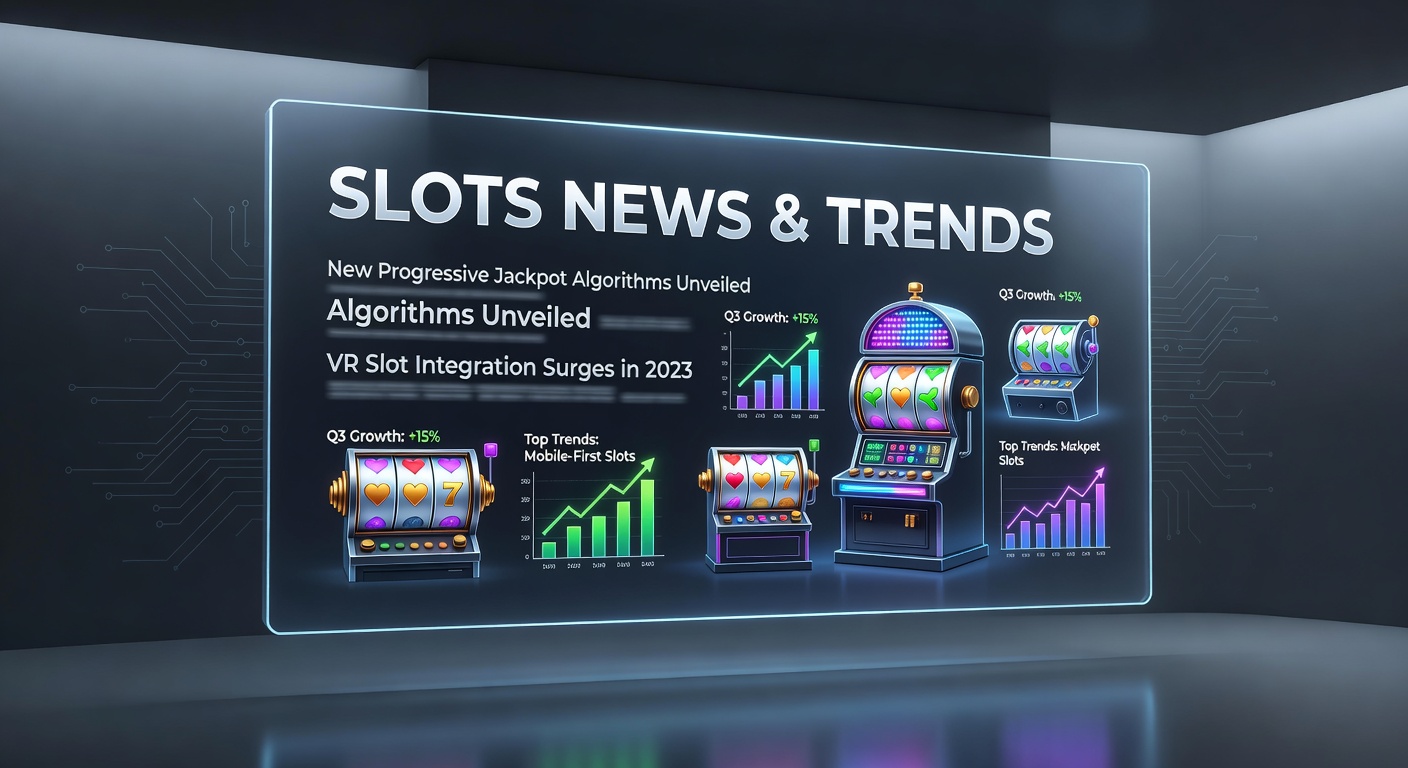
Market data for 2026 shows the global slot gaming sector maintaining steady expansion, with mobile devices now handling between 65 and 68 percent of all online slot traffic and revenue, according to recent industry tracking. This shift reflects broader patterns where players access games through smartphones and tablets rather than desktop computers, a change that began years earlier and has accelerated with improved network speeds in multiple regions.
Mobile Platforms Drive Core Growth
Operators report that mobile-first designs now form the foundation of most new slot releases, and data indicates this approach aligns with user habits across age groups. In June 2026, several regional operators noted continued increases in session lengths on mobile apps, particularly in markets where 5G coverage expanded during the first half of the year. The pattern holds across both established and emerging jurisdictions, where convenience factors such as instant loading and touch controls contribute to higher engagement rates.
Technology Enhancements Reshape Player Experience
Artificial intelligence tools now personalize game recommendations and bonus structures based on individual play history, while virtual and augmented reality features appear in select titles that allow users to interact with three-dimensional environments. Developers integrate these elements without requiring additional hardware in many cases, though dedicated VR headsets still represent a smaller segment of the player base. Research from multiple studios shows these innovations help maintain interest among returning users, and early adoption metrics suggest continued investment in the coming quarters.
Slots continue to account for 65 to 78 percent of total casino revenue in both land-based and digital settings, a dominance that has persisted through various economic cycles. This share stems from the games' accessibility, rapid play cycles, and wide variety of themes that appeal to different preferences.
Regulatory Developments Open New Territories
Legislative updates in Latin America and the Asia-Pacific region have created additional licensing pathways for slot operators during 2025 and into 2026. Countries that previously restricted online gambling have introduced frameworks that include player protection measures alongside tax structures designed to generate government revenue. These changes coincide with infrastructure improvements that support higher volumes of digital transactions, allowing licensed platforms to reach previously underserved populations.

Demographic Shifts Toward Younger Audiences
Player demographics show a gradual move toward younger adults who encounter slot games through social media integrations and mobile app stores. Industry observers note that this cohort tends to prefer shorter sessions interspersed with other digital activities, prompting studios to develop titles with quicker bonus triggers and social sharing options. Data collected across platforms indicates these users often begin with free-to-play versions before transitioning to real-money environments once regulatory conditions permit.
Market Size and Long-Term Projections
The global slot machine market stood at approximately 143.8 billion dollars in 2022 and is projected to exceed 228 billion dollars by 2030, with the online portion expanding at a compound annual growth rate of roughly 9.4 percent. These figures come from aggregated reports that track both hardware sales for land-based venues and digital platform revenues. Growth rates vary by region, yet the overall trajectory remains upward as more jurisdictions finalize licensing procedures.
One study released in early 2026 examined transaction volumes across Asia-Pacific markets and found consistent month-over-month increases tied to newly authorized operators. Similar patterns appear in Latin American data, where cross-border payment solutions have reduced friction for players accessing international platforms. Market analysts tracking these developments highlight that infrastructure investments in digital payments continue to support the observed expansion.
Integration With Broader Casino Offerings
Although slots represent the largest single category, operators increasingly bundle them with table games and live dealer options to create comprehensive platforms. This bundling strategy allows companies to retain users who explore multiple game types within a single session. Revenue reports from June 2026 indicate that platforms offering seamless transitions between slot and table formats record higher overall retention compared with single-category sites.
Technological standards continue to evolve, with game developers adopting common APIs that simplify integration across different regulatory environments. These standards reduce development costs while ensuring compliance with local technical requirements, a factor that supports faster rollout of new titles in multiple jurisdictions simultaneously.
Conclusion
The slot gaming sector in 2026 demonstrates sustained momentum driven by mobile adoption, technological refinements, and regulatory progress in key regions. Projections through 2030 point to continued expansion as infrastructure and demographic trends align. Market participants monitor these indicators closely while adjusting product strategies to match documented player behaviors across diverse geographic markets.