Transaction Routes Influencing Player Choices in Virtual Card Environments and Jackpot Systems
Written by Uma Bauer · Jun 25, 2026
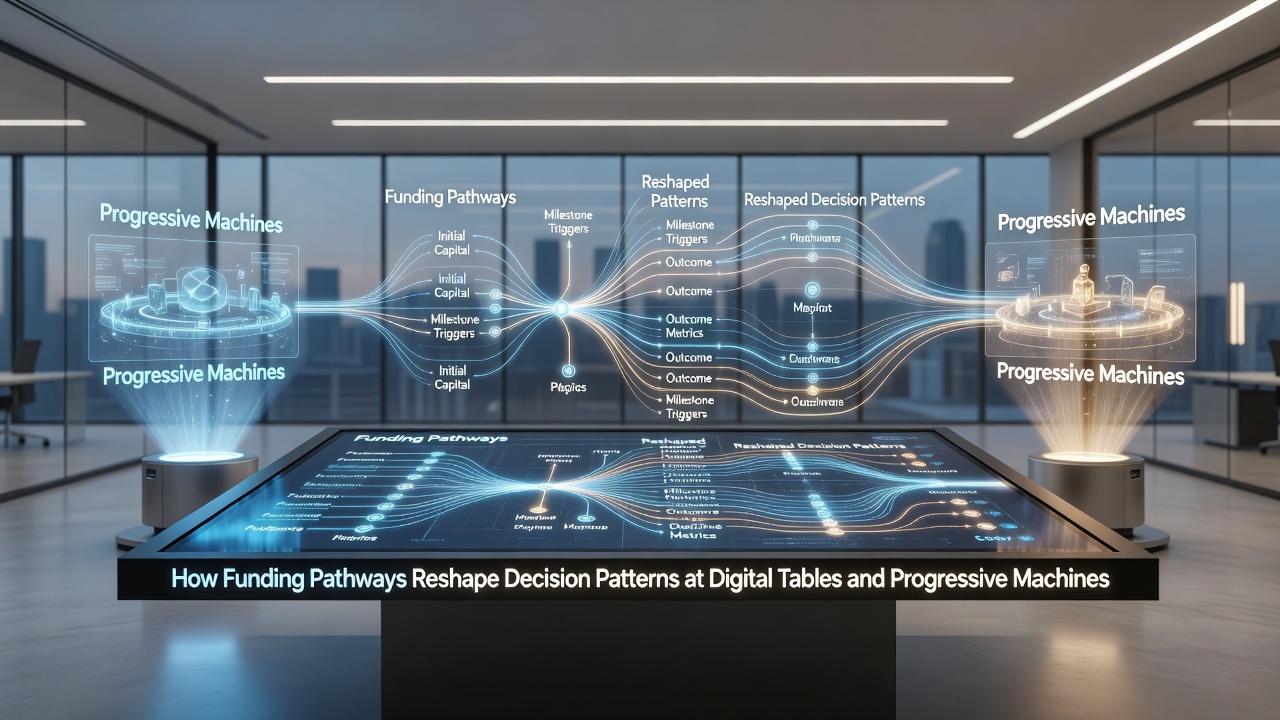
Transaction Routes Influencing Player Choices in Virtual Card Environments and Jackpot Systems
Payment channels now determine how participants approach sessions at live dealer platforms and progressive reel setups, because faster transaction speeds allow immediate bankroll adjustments while slower routes encourage pre-planned betting limits. Researchers tracking user behavior across multiple platforms note that funding speed correlates directly with bet sizing patterns, session extensions, and jackpot pursuit intensity.
Instant Deposits Shift Table Game Tactics
Participants using instant deposit methods adjust wagers more frequently during live dealer rounds because additional funds reach accounts within seconds rather than hours. Data collected through platform analytics in early 2026 shows that users with real-time funding options raise stakes after short losing streaks at rates 22 percent higher than those relying on standard bank transfers. Observers note this pattern holds across both American and European markets where operators report similar metrics.
Live card environments reward quick reactions, and when funding pathways support those reactions the decision tree expands. Players who once folded after a fixed number of hands continue because replenishment happens without leaving the table interface. Studies from regulatory bodies in New Jersey and Ontario confirm that average hands played per funded session increase when deposit confirmation times drop below 30 seconds.
Progressive Machines Respond to Funding Velocity
Progressive jackpot architectures track coin-in volume across networks, yet individual contribution rates change based on how easily users add credits. Those relying on e-wallet or instant banking services contribute to progressive pools in shorter, more frequent bursts while users on scheduled bank transfers tend toward fewer but larger single contributions. June 2026 figures released by several major platform operators indicate progressive meters advance 14 percent faster during periods when instant funding accounts for over 60 percent of deposits.

Take one documented case where operators in Pennsylvania tracked the same user cohort across two funding methods. When participants switched from ACH transfers to instant options their average spins per session rose from 180 to 310 while the distribution of max-bet attempts shifted toward higher denominations. The pattern repeated across multiple jurisdictions without requiring changes to game rules or return-to-player percentages.
Regional Regulatory Data Highlights Patterns
According to reports compiled by the Nevada Gaming Control Board, platforms that integrated multiple instant funding rails saw measurable redistribution of play volume toward progressive titles during the first half of 2026. Similar trends appear in data shared by the Australian Communications and Media Authority, where funding pathway diversity correlated with extended session lengths on linked jackpot games. These shifts occur because users perceive lower friction when moving money, which in turn alters risk tolerance calculations during active play.
Academic researchers at institutions studying gambling behavior have begun incorporating transaction log data into longitudinal studies. Early findings suggest that decision patterns stabilize once users experience consistent funding speeds, yet initial exposure to faster pathways produces the largest behavioral adjustments. Those adjustments include both increased bet frequency and changes in game selection order, with progressive features receiving priority once instant funding becomes routine.
Session Duration and Bet Distribution Effects
Platform telemetry reveals that users combining instant funding with table games maintain steadier bet distributions across longer periods because they avoid pausing to initiate separate transfers. In contrast, participants waiting on conventional banking routes often compress betting activity into shorter windows to match expected funding arrival. This compression produces different outcome distributions even when total wagered amounts remain comparable.
Industry analysts tracking June 2026 performance metrics note that progressive machines linked to instant funding ecosystems accumulate contributions from a broader user base yet show higher variance in daily increments. The variance stems from clustered deposit events rather than steady trickle patterns associated with legacy methods. Operators adjust network configurations accordingly while maintaining compliance with existing prize pool regulations.
Conclusion
Funding pathway characteristics now form a measurable input into how participants structure decisions at digital tables and progressive machines. Transaction speed, confirmation reliability, and integration depth each produce distinct behavioral signatures that platform operators and regulatory bodies continue to document through aggregated usage data. As additional payment technologies enter the market, these signatures are expected to evolve while retaining the core relationship between access velocity and choice architecture.