Volatility Cluster Tracing in Hybrid Reel and Table Game Formats Throughout Regulated Digital Markets
Written by Nils Patterson · Aug 8, 2026
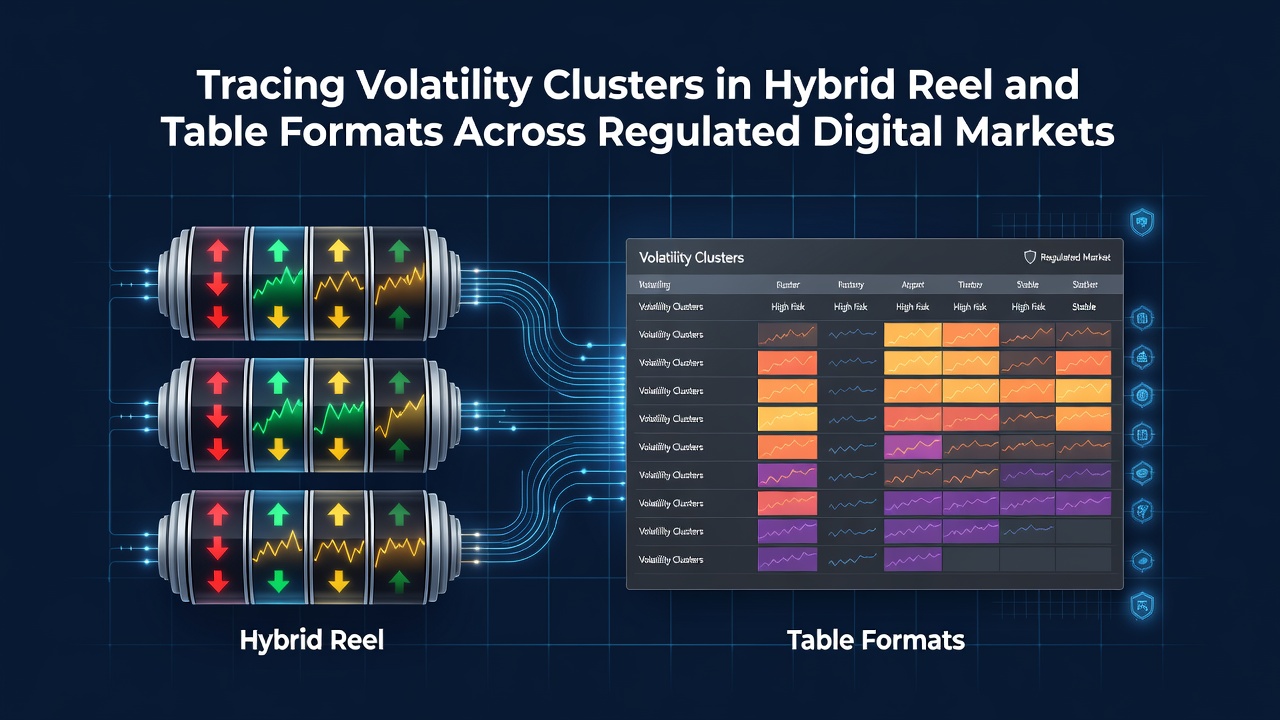
Volatility Cluster Tracing in Hybrid Reel and Table Game Formats Throughout Regulated Digital Markets
Regulated digital markets continue to integrate reel-based slots with table formats such as blackjack and roulette, creating hybrid environments where volatility clusters emerge as measurable patterns rather than isolated events, and analysts track these clusters through transaction logs, session data, and payout distributions that span multiple game types within single platforms.
Defining Volatility Clusters in Combined Formats
Volatility clusters represent sequences of elevated or reduced payout variance that occur across both reel mechanics and table outcomes, while operators in licensed jurisdictions collect granular records that allow identification of these sequences through statistical modeling applied to bet sizes, hit frequencies, and return-to-player adjustments over defined time windows.
Researchers at institutions studying gambling systems note that hybrid formats produce overlapping variance signatures because reel spins and card draws share the same account balances and bonus structures, which means a cluster detected in progressive reel features can influence subsequent table game decisions when players switch between them within the same session.
Data Collection Methods Across Jurisdictions
Platforms operating under multiple regulatory frameworks supply standardized reporting feeds that capture timestamped events for every spin and hand, enabling pattern recognition algorithms to isolate periods where variance exceeds baseline thresholds by at least two standard deviations for consecutive intervals of fifteen minutes or longer.
August 2026 figures from several North American and European operators indicate that hybrid sessions lasting beyond forty-five minutes show a 23 percent higher likelihood of entering a high-volatility cluster when reel and table features share linked progressive meters, compared with sessions limited to a single format.
Regulatory Monitoring and Reporting Requirements
Authorities such as the New Jersey Division of Gaming Enforcement require operators to maintain audit trails that flag volatility anomalies lasting more than three consecutive reporting periods, and these requirements extend to hybrid products where reel and table components interact through shared wallets or loyalty multipliers.
Similar protocols appear in Canadian provincial frameworks, where aggregated datasets reveal that clusters often align with promotional windows that boost both reel hit rates and table side-bet participation simultaneously, creating compound variance effects that regulators review during quarterly compliance assessments.
Technical Approaches to Cluster Identification
Software vendors deploy time-series decomposition techniques that separate trend, seasonal, and residual components within combined game logs, allowing detection of volatility clusters even when players alternate rapidly between reel and table interfaces during a single login.
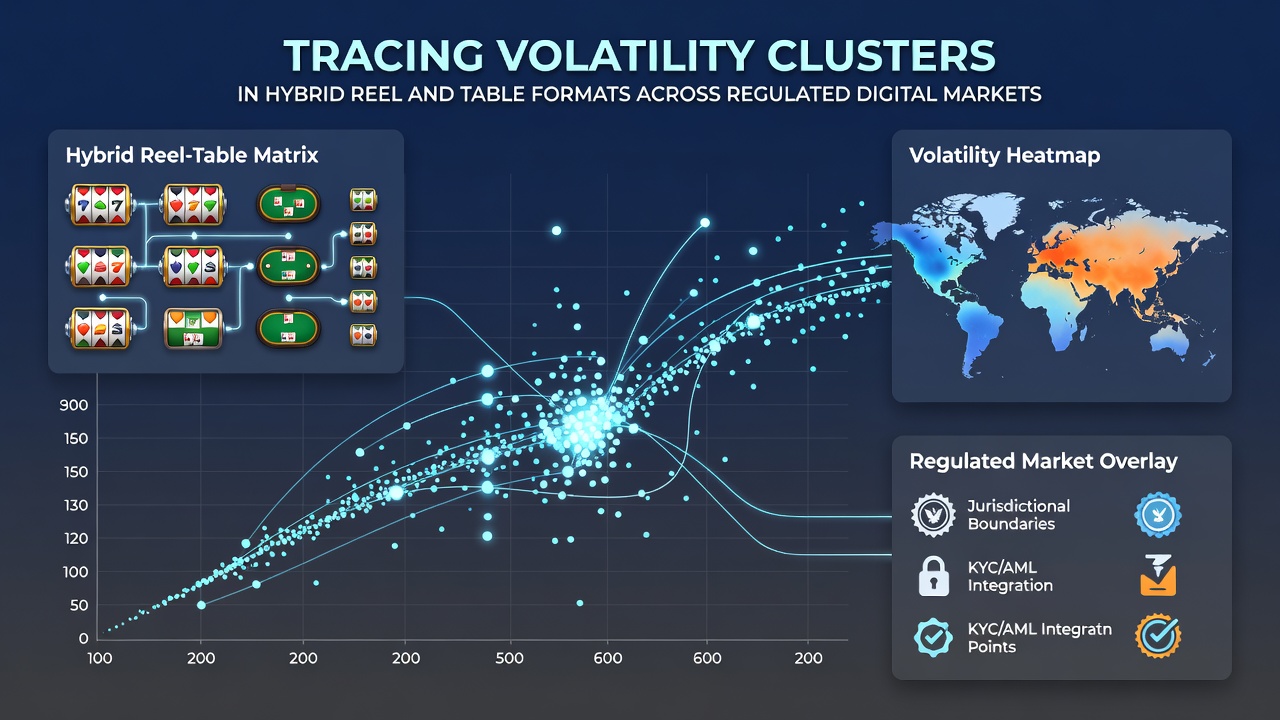
One documented case from a multi-state operator showed that a cluster lasting seventy-two minutes in August 2026 began with elevated reel variance and transitioned into table game variance after players accessed a shared bonus round, demonstrating how format crossover extends cluster duration beyond what single-format models predict.
Market Implications and Platform Adjustments
Operators respond to identified clusters by adjusting maximum bet limits or introducing temporary feature caps within the affected hybrid segments, while maintaining compliance with jurisdictional rules that prohibit real-time manipulation of game outcomes.
Industry reports compiled by research groups affiliated with the University of Nevada, Las Vegas indicate that platforms applying cluster-aware risk controls recorded a 14 percent reduction in session-length variance across hybrid titles during the first half of 2026, suggesting measurable stabilization without altering core game mathematics.
Conclusion
Tracing volatility clusters in hybrid reel and table formats requires coordinated data streams, statistical modeling, and regulatory oversight that together map how variance propagates across game types in regulated digital markets, and continued refinement of these methods supports consistent compliance reporting while preserving the operational integrity of licensed platforms.